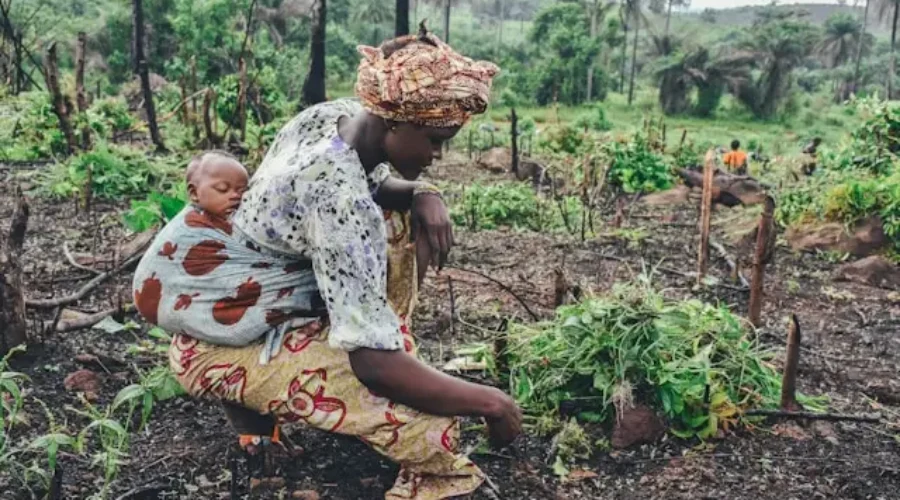
Transforming Agriculture Services in Uganda
Agriculture is the backbone of Uganda’s economy, comprising approximately 37% of the GDP and employing most of the population. The sector relies on the country’s favorable climate, fertile land, and rainfall to produce both subsistence food crops like bananas, maize, and cassava, and cash crops for export, such as coffee, which is the leading export. Other key sub-sectors include livestock, fisheries, and a growing horticulture industry.
Key crops and products
- Coffee: Uganda is Africa’s largest coffee exporter, contributing a significant portion of the country’s export earnings.
- Food crops: Staple foods for domestic consumption and income include bananas, maize, beans, cassava, and sweet potatoes.
- Cash crops: Other important cash crops are cotton, tea, tobacco, cocoa, vanilla, and oilseeds.
- Horticulture: This is the fastest-growing sub-sector, with potential for expanding exports of fruits, vegetables, and cut flowers.
- Livestock: Dairy production and poultry farming are growing sources of income and food security.
- Fisheries: Inland fisheries are a significant contributor to food security and income.
Importance to the economy
- GDP contribution: Agriculture accounts for about 37% of the Gross Domestic Product.
- Employment: The sector is the primary source of income and sustenance for the majority of Ugandans, with about 61% of households engaged in crop production and 37% in livestock farming.
- Exports: Agricultural products generate nearly all of Uganda’s foreign exchange earnings.
Government support and strategy
- The Ministry of Agriculture, Animal Industry and Fisheries has a strategic plan to support the sector’s growth.
- The government is focused on strengthening the competitive advantage in agricultural production, including efforts in crop diversification and improving infrastructure, mechanization, and water for production.
- The National Agriculture Policy aims to increase household incomes, food security, and employment, aligning with the national vision of “Prosperity For All”.
- Opportunities: There is potential for growth in value-added products, such as processed coffee and frozen fruit pulps, and in large-scale production, particularly for export. Urban farming also offers opportunities to address unemployment, especially among youth.
- Challenges: Uganda’s agriculture faces challenges including post-harvest losses and the need to improve compliance with international standards for high-value exports.